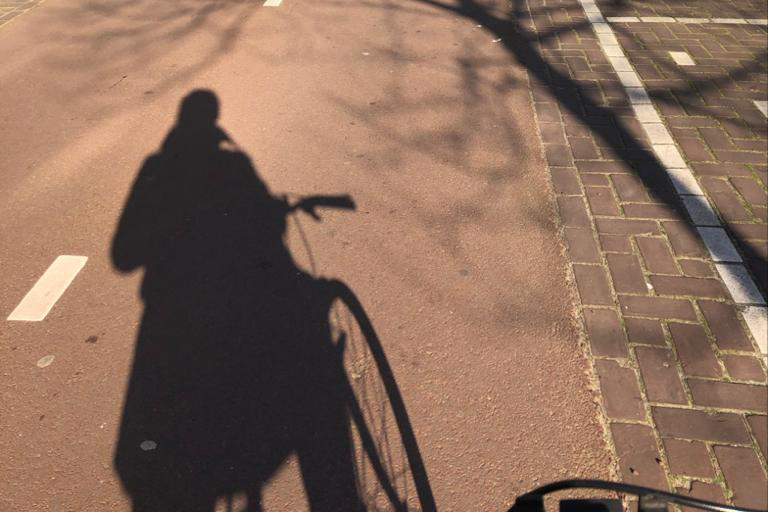
I find myself within the generation Y ‘bubble’: a generation growing up with almost unlimited access to movement. Throughout our studies we are actively encouraged to travel abroad to gain experiences abroad, often linked even to employments opportunities in the form or internships and work experience. A generation growing up at a time when flights can be bought for cheap. For example, I recently heard about a study association which offers study tours in 2020 to Zanzibar, Tanzania, for a student friendly budget of €700,- for a whole week (roughly $770 or £640).
Of course, these unlimited possibilities of mobility are attached to many positive aspects, often on an individual level. Being in contact and becoming familiar with other societies, gaining friendships and useful insights, resulting in a generation with international and cultural ‘wisdom’ from a fairly young age.
26th of March 2020, at home, The Hague.
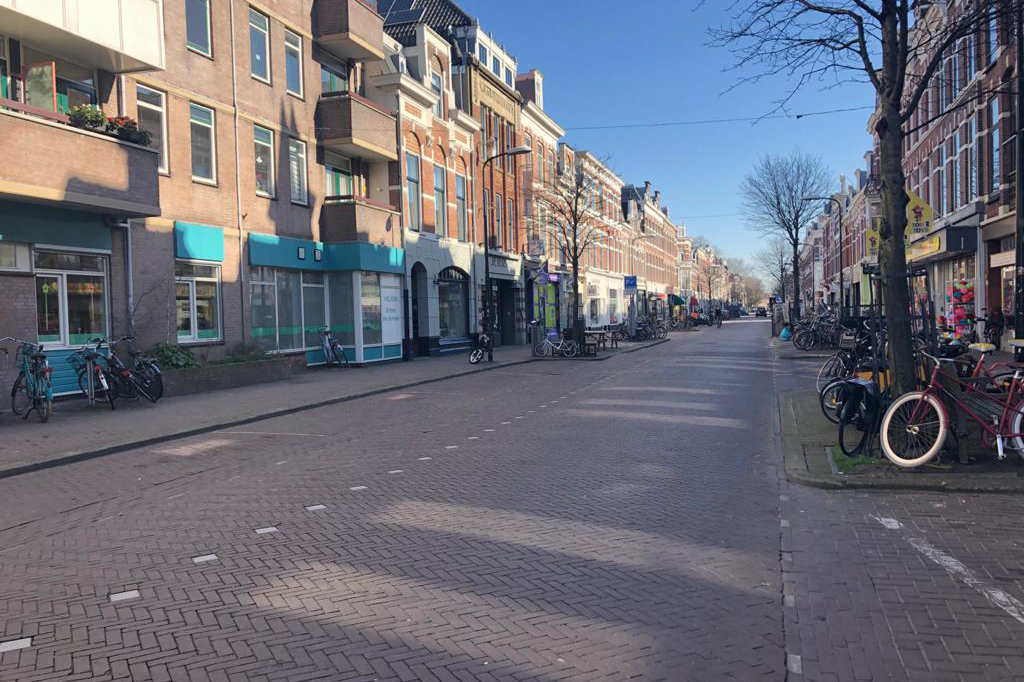
Global pandemic: COVID-19 results in full or partial lock-down in every country around the world. In the Netherlands we are into our second week of being requested to work from home, when possible. Meanwhile, I am starting to lose awareness of which day it is. Working from home is of course necessary, as well as postponing any other non-essential activities. This has without a doubt had a major impact on our daily mobility patterns.
All unnecessary trips crossing the Dutch border are cancelled and practically impossible to undertake during the current measures. Traffic jams during rush hour have disappeared like snow on a sunny day due to many regular commuters now working from home. The National Railways started with operating a weekend service, however, adapted this to a very basic service, announcing that you should only travel when necessary.
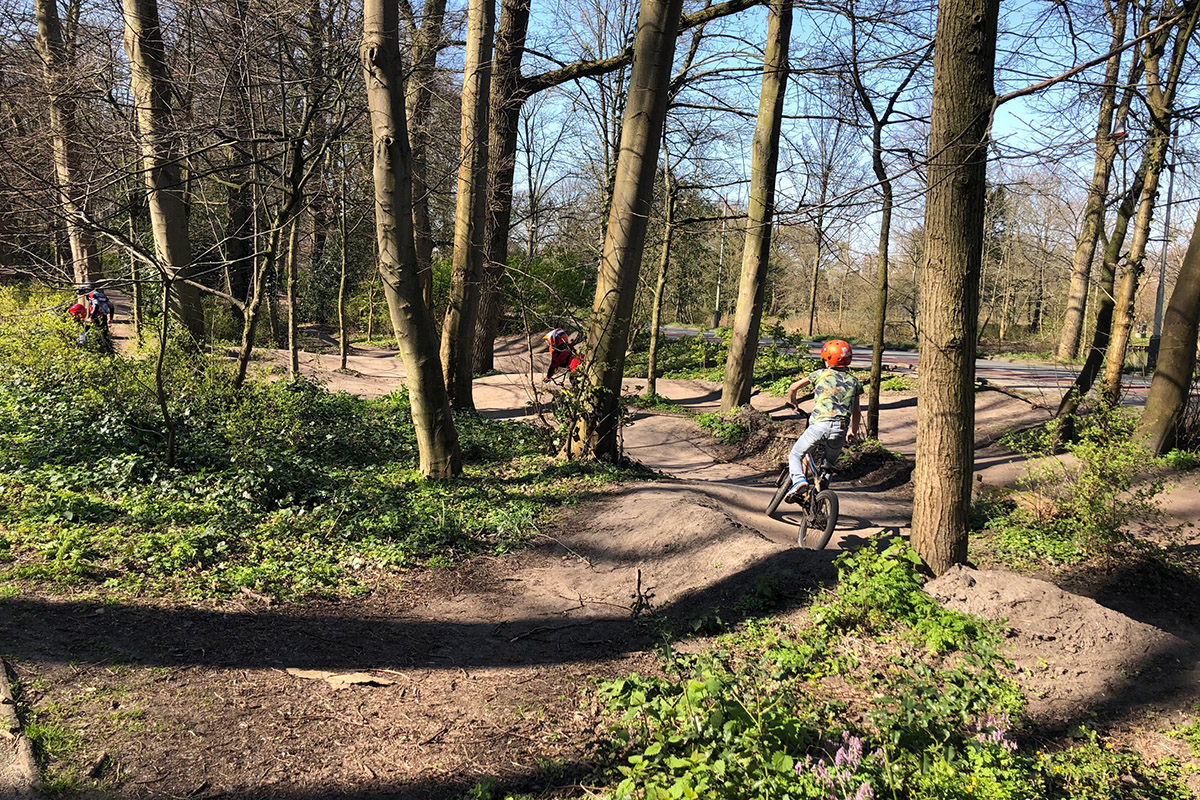
As long as it is still permitted within the current restrictions, outdoor activities are proving vital to maintain physical and mental. Children and adults are enjoying themselves by scooting, rollerblading, skateboarding, running and other active outdoor activities. As a result, there has been a huge increase in pedestrians within the parks, forests and on the beaches.
The world has been put upside down due to the pandemic, or has it? We are all following the national advice and staying at home as much as possible. Personally, I think it’s lovely to spend some quality time at home and we should take this as an opportunity: eat together, play board games, read and make crafts. Activities which many of us normally deem ourselves ‘too busy’ for. Several news articles disused that it could be quite good for our mental health to suddenly have an agenda free of meetings. Additionally, those who often feel too busy, like those of us in generation Y, can let go of that fear of missing out!
A surprise in changing my mobility habits
I have also notices many changes during my regular work week. My office is located in my living room, the place where I eat, live and play. Like many other Dutchies, I try to find variation throughout my day by going outside once in a while. I normally cycle to work, sports and family, or I will travel using a bicycle public transport combination. Because of this, it’s normally rare when my bicycle is parked somewhere more than 24 hours in a row. This week, I realized that I haven’t been cycling in 10 days! Due to having time to walk, and that many of my supplies can be reached within walking distance, I find I prefer walking.
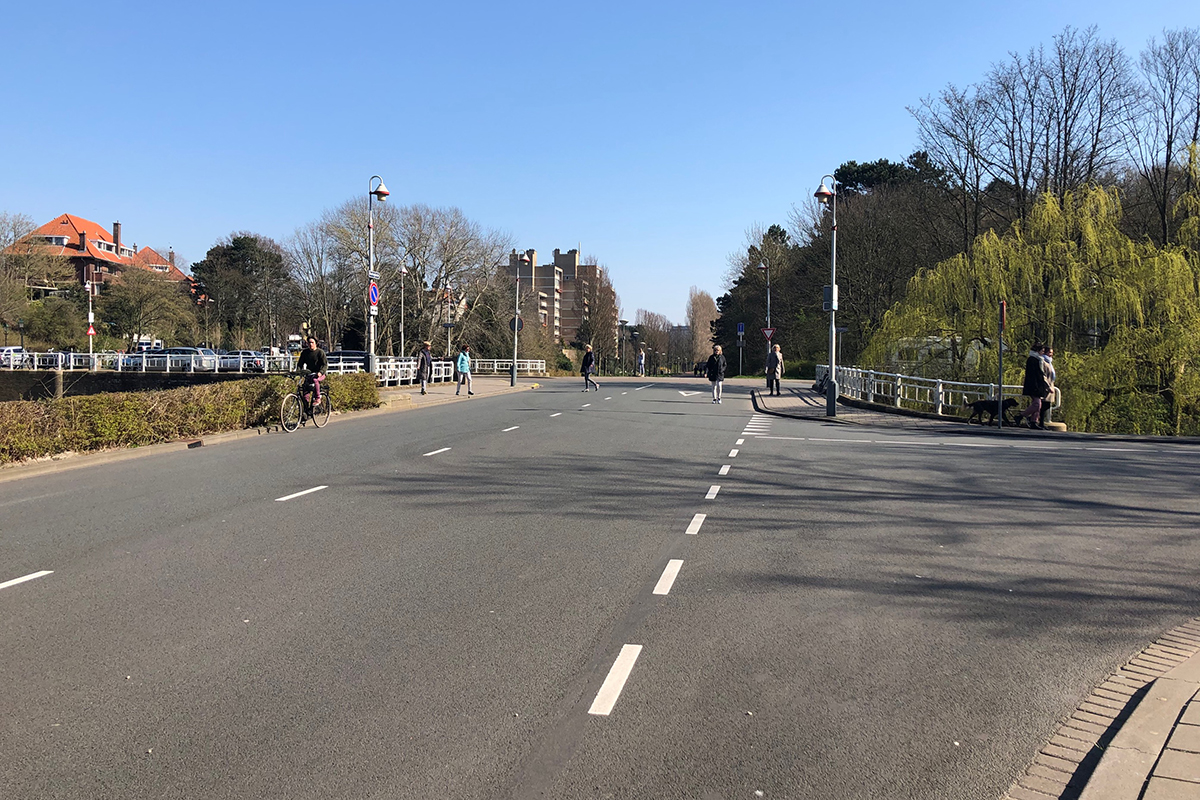
As a result, I realized that I might be ‘tired’ of moving. Where I often enthusiastically fill my days with lots of sustainable trips, I find that not traveling in saving up a lot of physical energy.
I am very curious, like many within the mobility sector, if/how the COVID-19 virus will impact our daily travel patterns in the longer term. Are all daily movements actually that necessary? Do the benefits of travelling outweigh the external negative effects, for example, on the environment and human well being? And, if not, who is responsible for those negative effects?
These are questions that have consumed me before, like during the last Christmas period or reading about that study tour to Zanzibar (now clearly postponed). I feel that during this pandemic, it’s even more relevant to sit down and have a think about it. Unfortunately, I fear that when all COVID-19 measures are phased out, mobility patterns will return back to normal. Therefore, we should take responsibility for those negative effects of mobility now.
For those who are interested, I am happy to think along to what extent we can learn from the current situation and strive for less unnecessary travel, which have negative impacts on the environment and our common welfare. Advocating for more active mobility within our public surroundings.
Today I enjoyed riding my bicycle again, although for the time being, I will enjoy travel by foot as much as possible and, hopefully will be able to keep up this pattern after the pandemic.