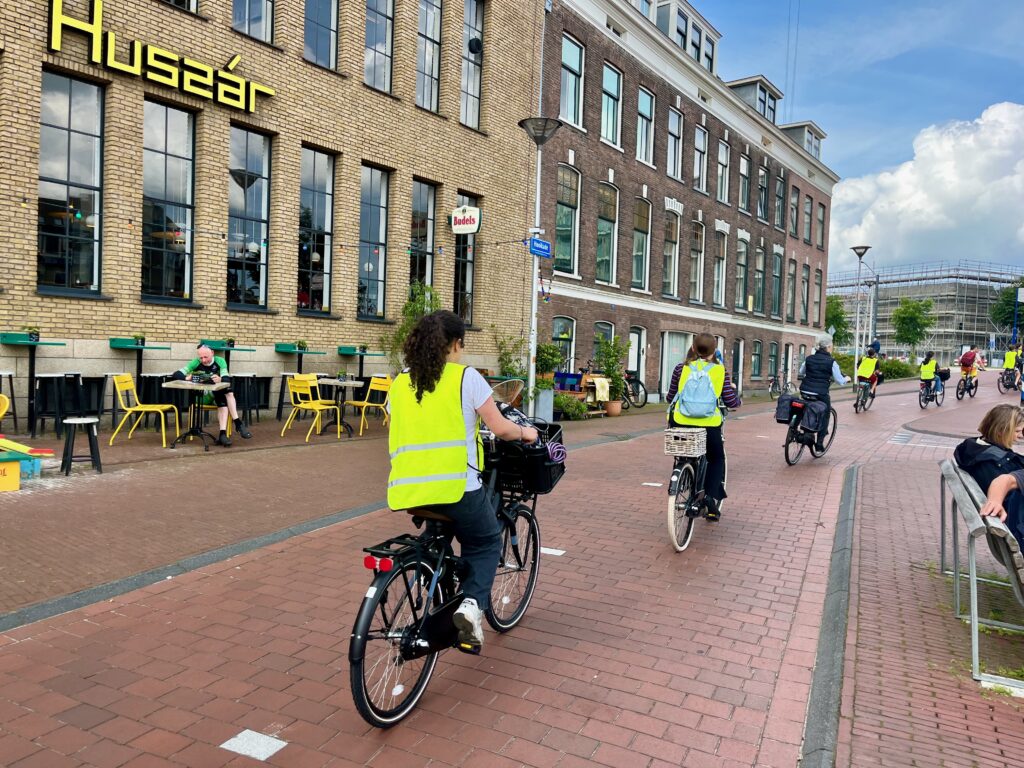
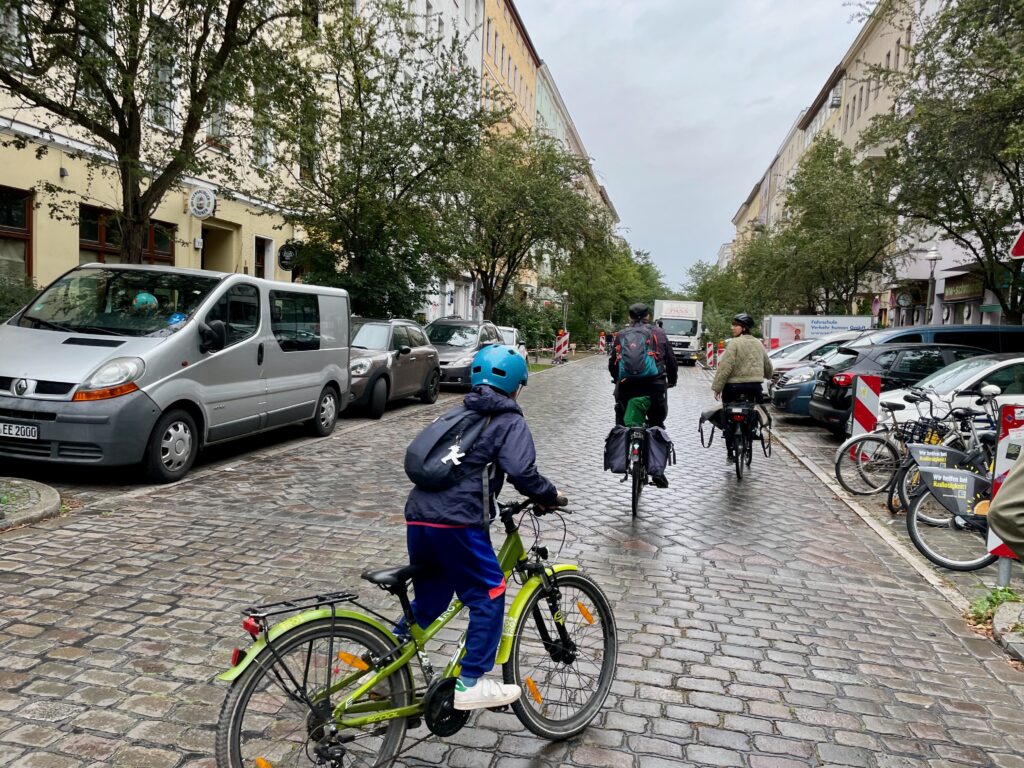
We aren’t just talking about traffic lights and hand signals; we are exploring the intersection of road safety, cultural diversity, sustainability, and social justice.
Navigating Cultural Diversity in Mobility
Cultural diversity is a defining feature of modern Germany, where around one-third of the population has a migration background. This diversity brings a wide range of perspectives, experiences, and mobility cultures into everyday traffic. Consequently, it is more important than ever for young people to engage with different mobility realities during their school years. By encouraging students to reflect on rules, values, and attitudes, these materials help them understand and position their own perspectives within a much broader societal context.
Addressing the “Mobility Gap”
In this project, the focus has been on the 11- to 14-year-old age group. For many of these students, the bicycle proficiency test is already behind them, while the next formal encounter with traffic education, motorized licenses for mopeds or cars, is still years away. This creates a significant gap in their development. While some schools address traffic through occasional visits from police officers, young people in this age group are increasingly encountering new modes of transport, such as e-scooters. To foster reflection and a sense of responsibility during this formative phase, we have collaborated with our partners to develop engaging teaching materials tailored specifically for educators.
A Scientifically Grounded Approach
The project began by examining how mobility education and road safety are currently taught in German schools and identifying areas for further development. On behalf of the Federal Highway and Transport Research Institute (BASt), our consortium developed a scientifically grounded learning module. The primary aim is to provide teachers with free, ready-to-use materials that enable them to deliver modern, practical, and culturally sensitive mobility education without requiring significant additional effort. Through this approach, students are empowered to engage with mobility in a critical, constructive, and creative way.
Developing the Learning Modules
Two learning modules were developed over the course of the project, rooted in a comprehensive academic literature review that examined the similarities and differences in mobility cultures across various countries. This research makes diverse lived realities within traffic cultures tangible and understandable for students. To ensure the materials meet real-world classroom needs, we also consulted extensively with teachers and trainers about their professional experiences and requirements.
From Pilot Programs to Classroom Reality
The resulting prototypes introduce mobility through interactive, practice-oriented, and multimedia approaches. During the development phase, students in focus groups reflected on the materials and contributed their own unique perspectives. These discussions ranged from everyday mobility and social justice to sustainable transport, climate protection, and empowerment. Following successful pilots and refinements at various schools across Germany, the modules are currently undergoing a final scientific evaluation.
In the future, these materials are intended to be made available nationwide for classroom use. By doing so, we ensure that schools across the country have the tools to prepare students for a safe, inclusive, and sustainable future on the move.
Shaping the Future of Mobility Education
At Mobycon, we believe that creating livable, sustainable communities starts with how we educate the next generation of road users. Are you interested in learning more about our approach to mobility education or how we help cities navigate the shift toward inclusive transport? Reach out to discuss how we can help your community move toward a safer, more sustainable future.