


blog
May 2026
Une nouvelle expertise sur les routes : utiliser le standard européen de certification (ECS) pour améliorer les itinéraires cyclables
Read moreblog
April 2026
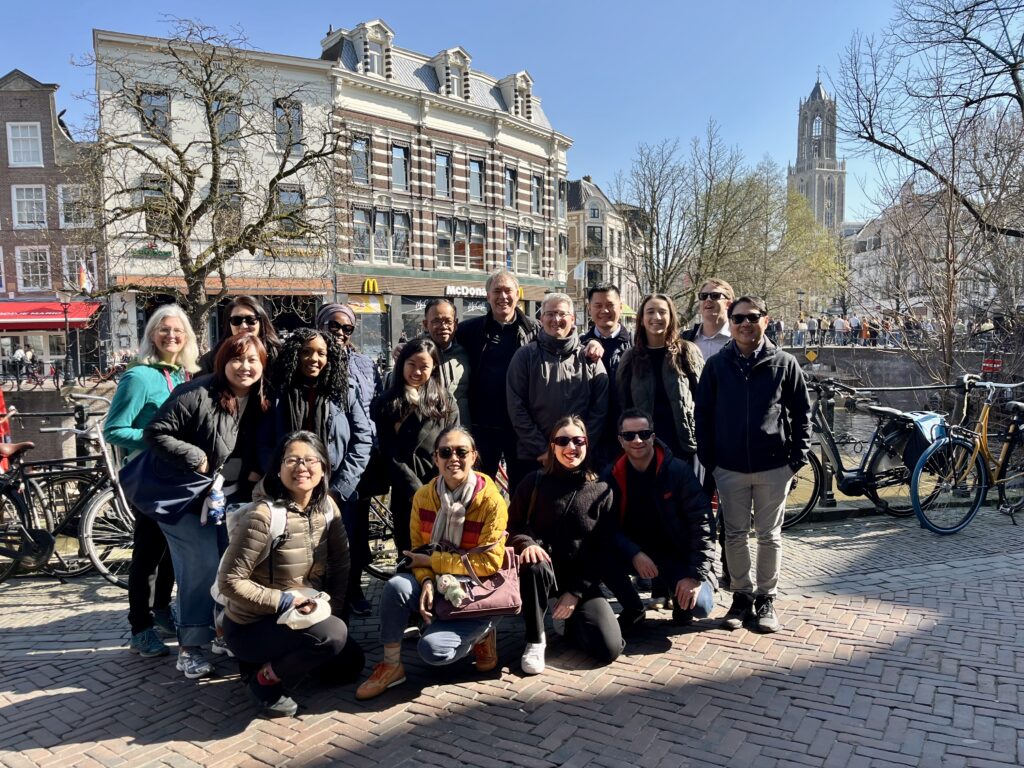
In March, we hosted a select group of the World Bank East Asia and Pacific (EAP) Transport Global Practice professionals for a high-impact Study Tour to the Netherlands. Over the five days, we explored how the cycling networks, multimodal mobility systems, and climate-resilient innovations are shaping the future of sustainable urban development.
The goal of this Study Tour was clear: providing participants with an in-depth understanding of the country’s sustainable transport systems and climate-resilient infrastructure. Over five days, the group explored a variety of sites and projects in Rotterdam, Delft, The Hague, Utrecht, and Amsterdam, including cycling and pedestrian networks, mobility hubs, transit stations, and redeveloped urban areas such as Coolhaven in Rotterdam, Delft Spoorzone, and the NDSM district in Amsterdam. We explored how the Netherlands transformed from a place with rapidly increasing car ownership and traffic-related fatalities in the 1950s to one where nearly 30% of all trips are made by bicycle.
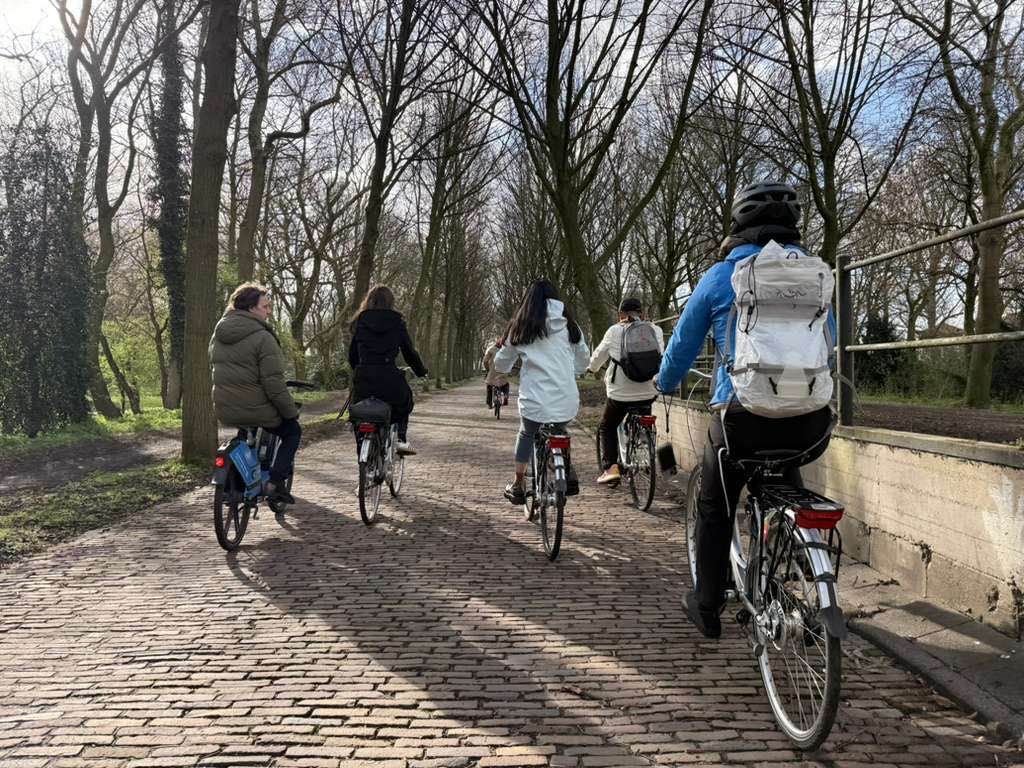
The week kicked off in Rotterdam. We explored the city’s bold land-use planning during a cycling tour of recent urban developments, followed by a deep-dive session on zero-emission logistics. After lunch, we toured the port by boat to understand the scale of Europe’s largest port. The first day concluded with a visit to the Rebel Group for a presentation and discussion on their recent projects in Southeast Asia.
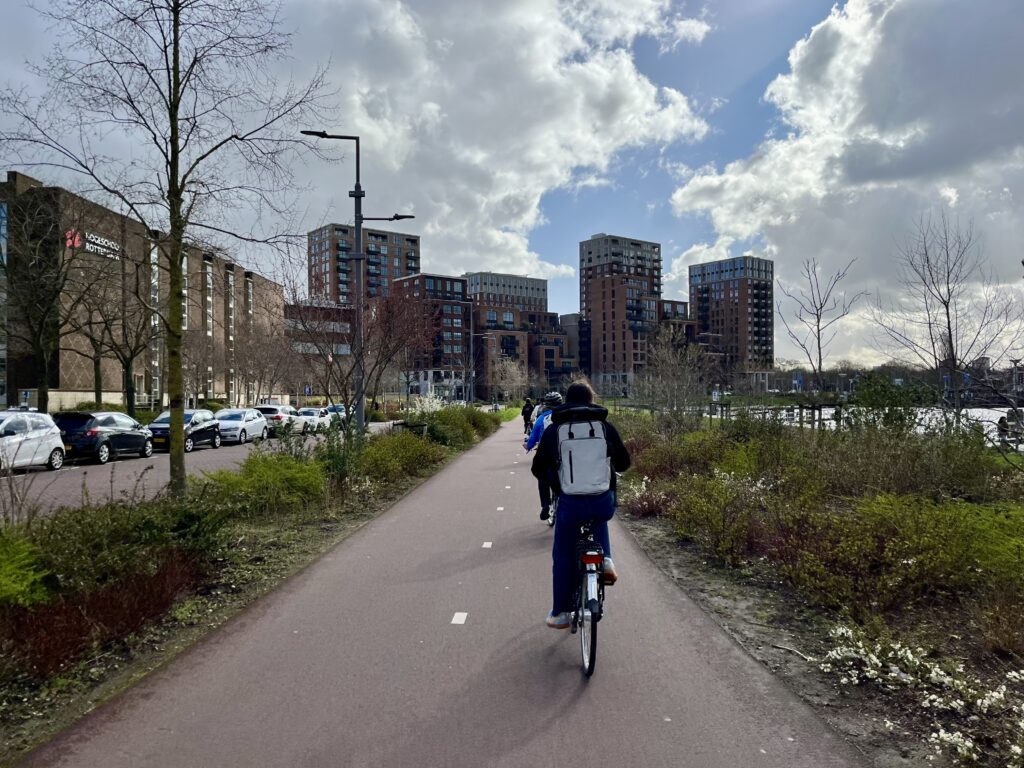
On Tuesday, we traveled to Delft by train and witnessed the seamless transformation of the Spoorzone (railway zone), where new housing and vibrant public spaces have replaced old industrial barriers. After this, we continued to TU Delft campus for a lunchtime lecture with the student association on World Bank operations and the history of sustainable safety in the Netherlands. The afternoon was dedicated to Deltares, where we explored cutting-edge nature-based solutions for water management.
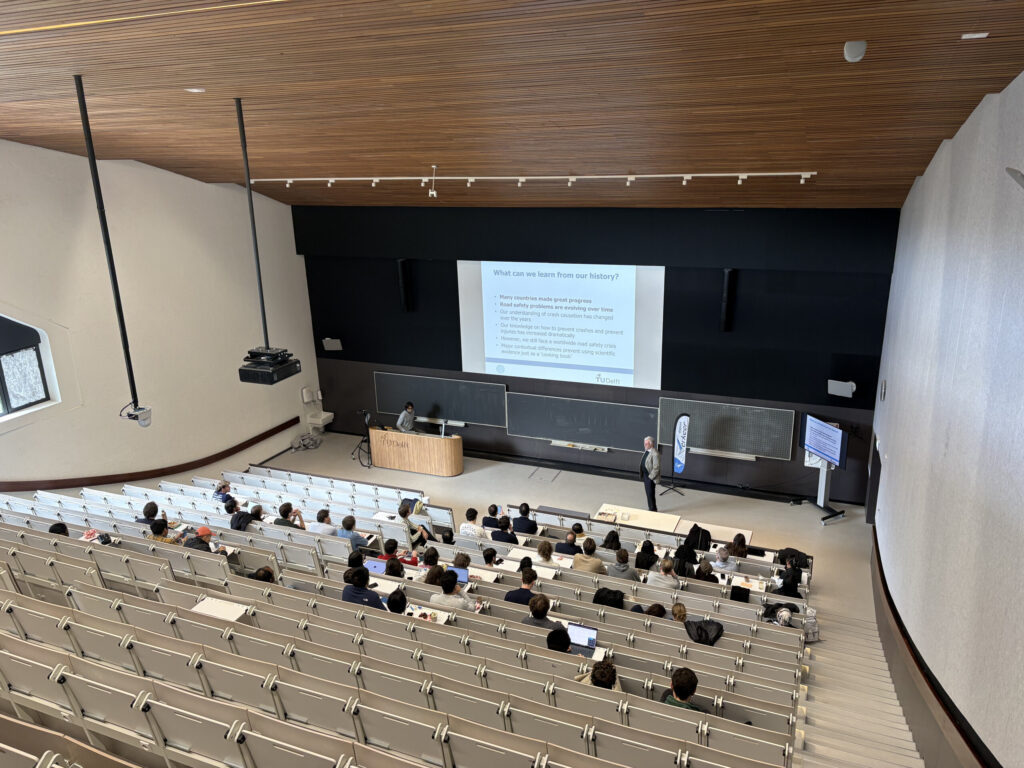
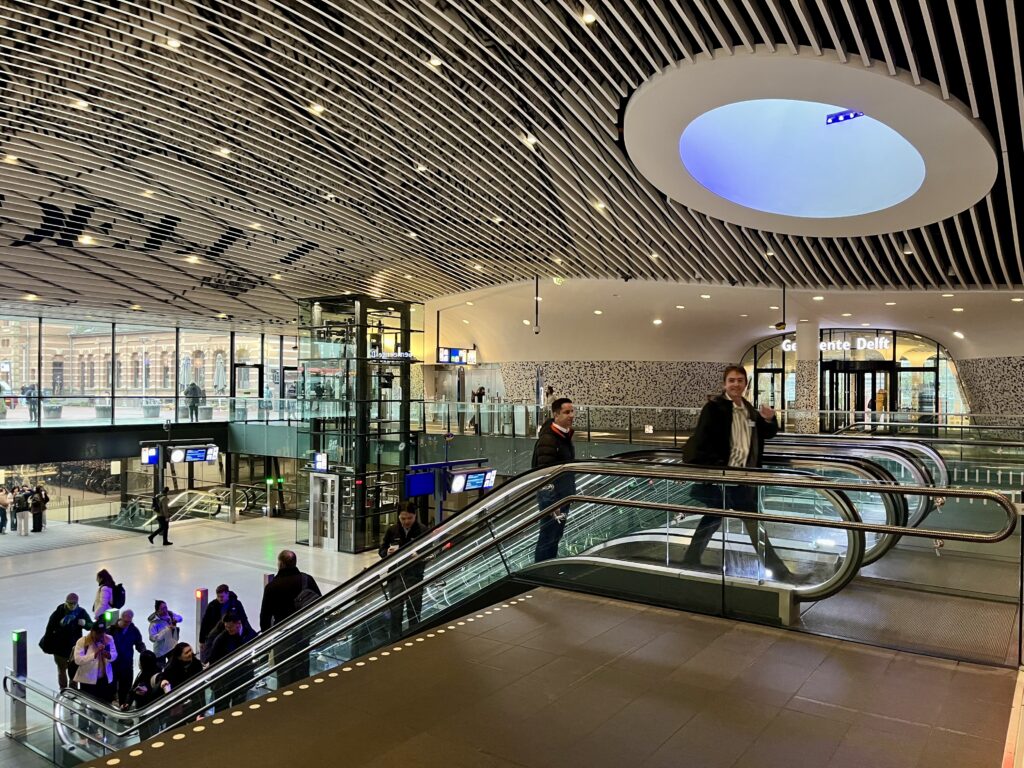
Mid-week, we headed to the Dutch Ministry of Infrastructure and Water Management in The Hague. Here, we took part in a policy exchange and learned about its strategic priorities, including national active transportation policies and the ACTIVE training program.
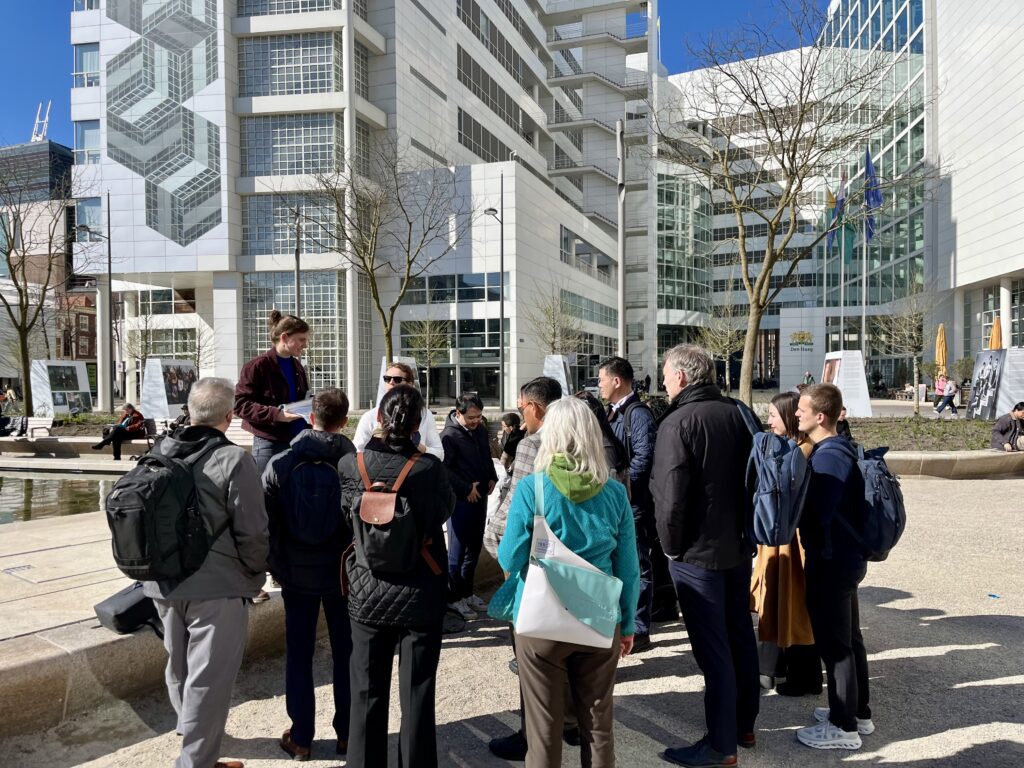
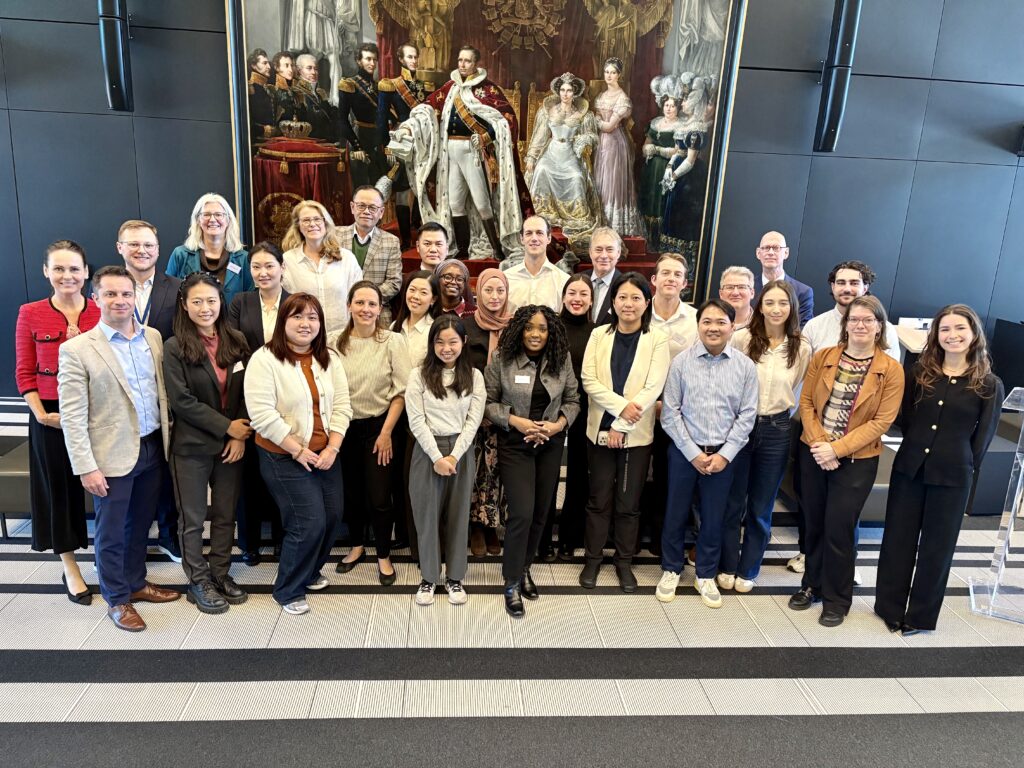
To see policy in action, we toured the Rotterdam–The Hague metropolitan area by public transport. We concluded in Rotterdam with a visit to the Hofplein construction site, the city’s newest climate-resilient public square project.
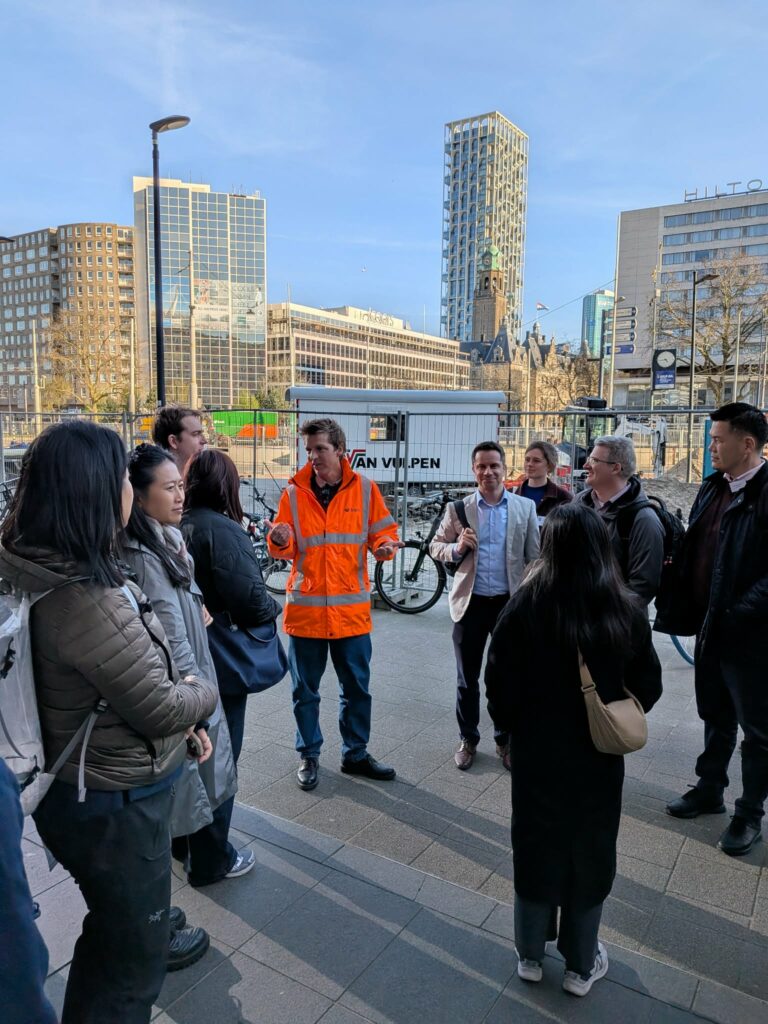
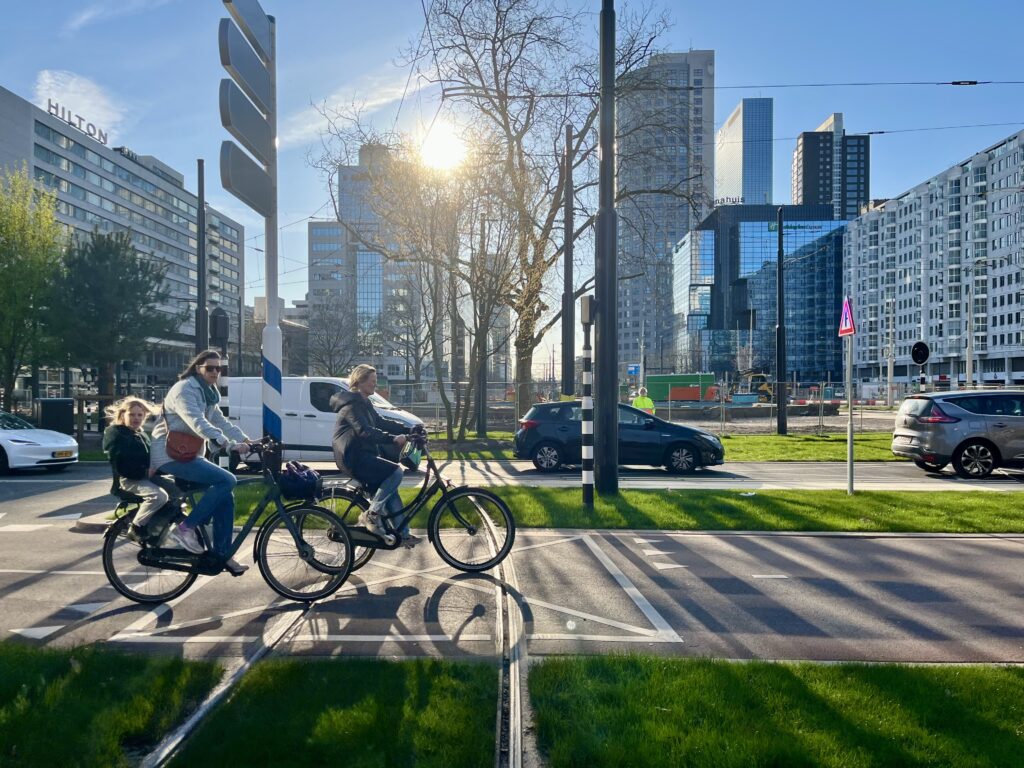
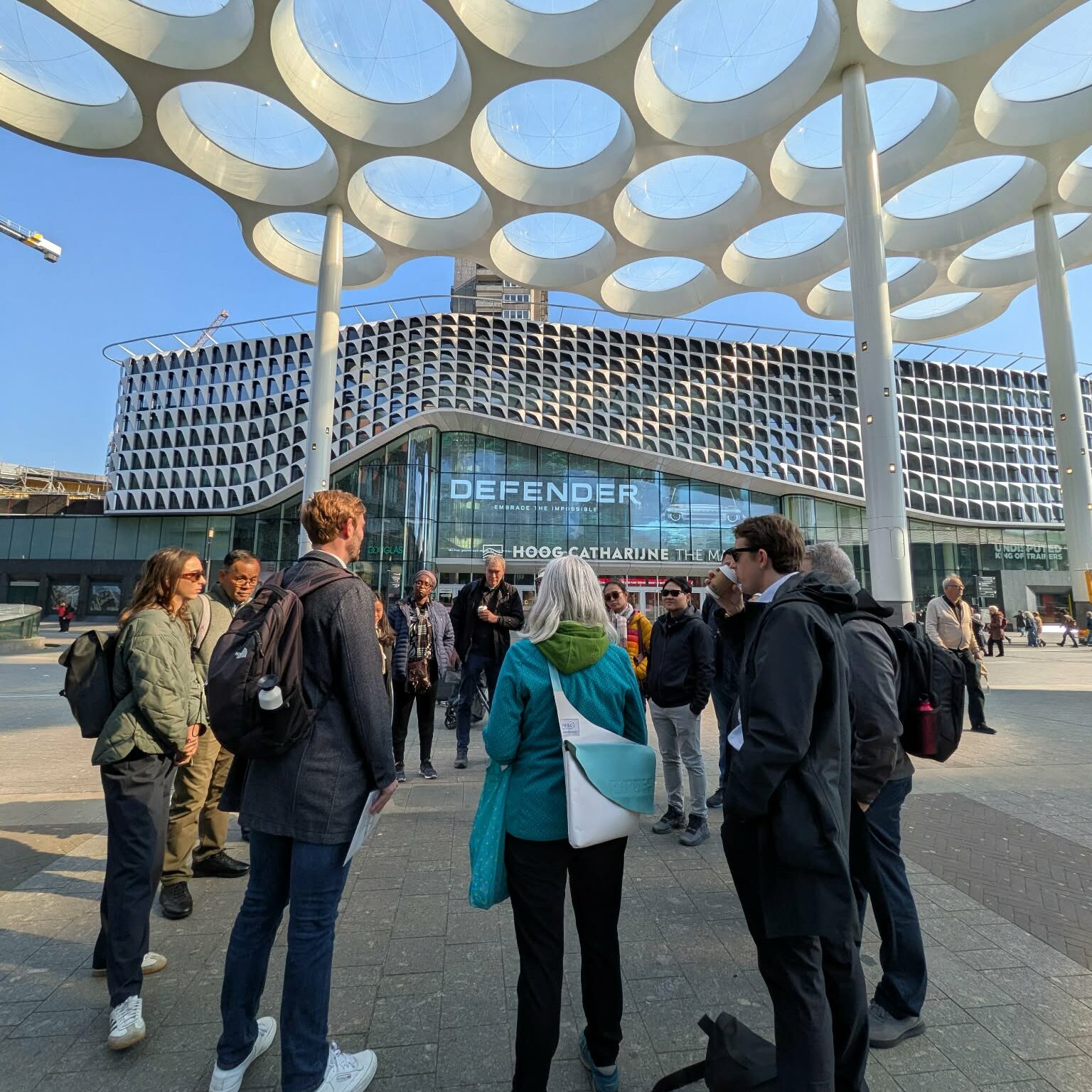
Thursday was all about active mobility and multimodal integration. We started with a presentation led by Mobycon on the historical development and financing of active mobility in the Netherlands. After touring the bicycle parking at Rotterdam Centraal, we headed to Utrecht Centraal to see the world’s largest bicycle parking facility in action. The day concluded with a presentation on Utrecht’s new pedestrian policy and a guided walking tour of the surrounding area, highlighting pedestrian spaces and past and future transformations.
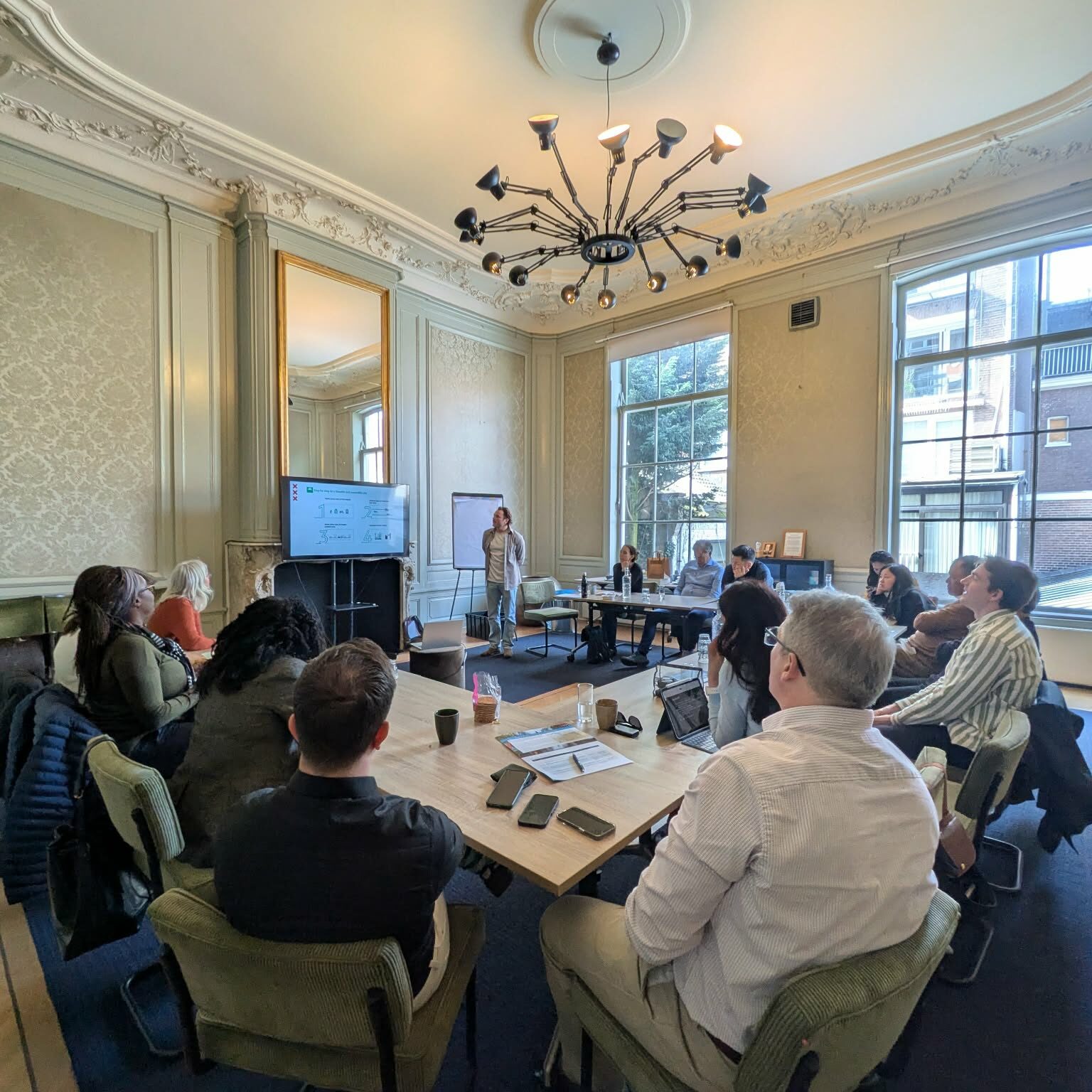
The final day began with a “real-world” test: a train journey during rush hour from Rotterdam to Amsterdam. We visited EIT Urban Mobility to learn about their financing model and recent innovations they have supported. After lunch, Amsterdam city staff led a presentation and discussion on recent mobility policies and projects.
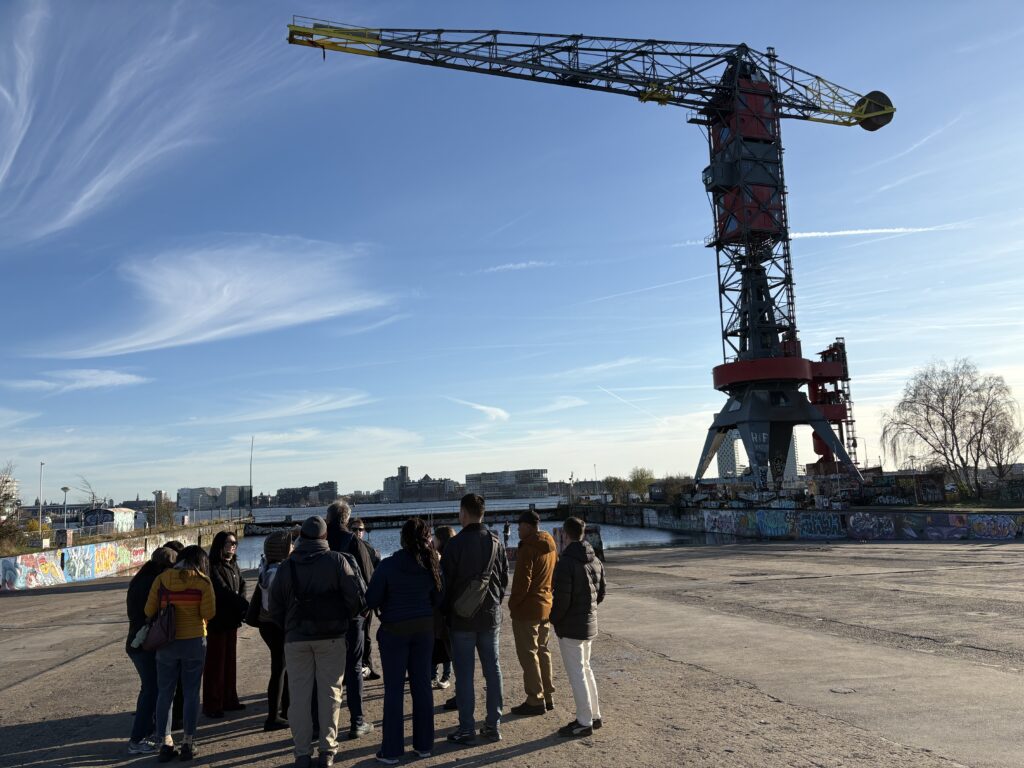
We wrapped up the learning with a ferry ride to Amsterdam Noord to explore the NDSM area, a vibrant cultural and creative hub that has also experienced significant recent housing development. This served as a perfect example of how creative redevelopment can solve modern housing needs while maintaining a unique urban identity.
The energy throughout the week was palpable. We were thrilled to hear that the participants found these Dutch insights directly applicable to the complex challenges they face in the East Asia and Pacific regions. As the participants described:
“Sharing the Dutch experience on urban mobility planning given the country’s unique nature from the perspectives of National Government, City Governments, Consultancies and Research Institutes is a fantastic way to gain insight into why things work and how planning for better is achieved. Thank you Mobycon for a well-organized, seamless experience even for my first time in the Netherlands! Enjoyed the week very much!”
“Besides the engaging lectures and interactive study tours, I was really struck by the choice of venues for the presentations—from a coworking space, to a gym, and then to a modern meeting room in the city hall. It truly highlighted how strong the Dutch are at creating and activating attractive public spaces.”
Ready to catalyze your city’s ambitions? We design tailor-made Study Tours to help city leaders and professionals navigate the path toward more livable, sustainable, and well-connected urban futures. Our programs are fully flexible, ranging from intensive multi-day tours to specialized field trips lasting just a few hours. Contact Anna Wyner to explore your options and customize your journey.
 ">
">Livable environments start with designing for people and nature first. My mission is to share the story of a more sustainable world, one where nature has space to breathe and everyone has the freedom to move, whether they’re cycling to school, catching a train, or enjoying a run around the block.